
Best Pokies in Brisbane: A Local’s Guide for 2026
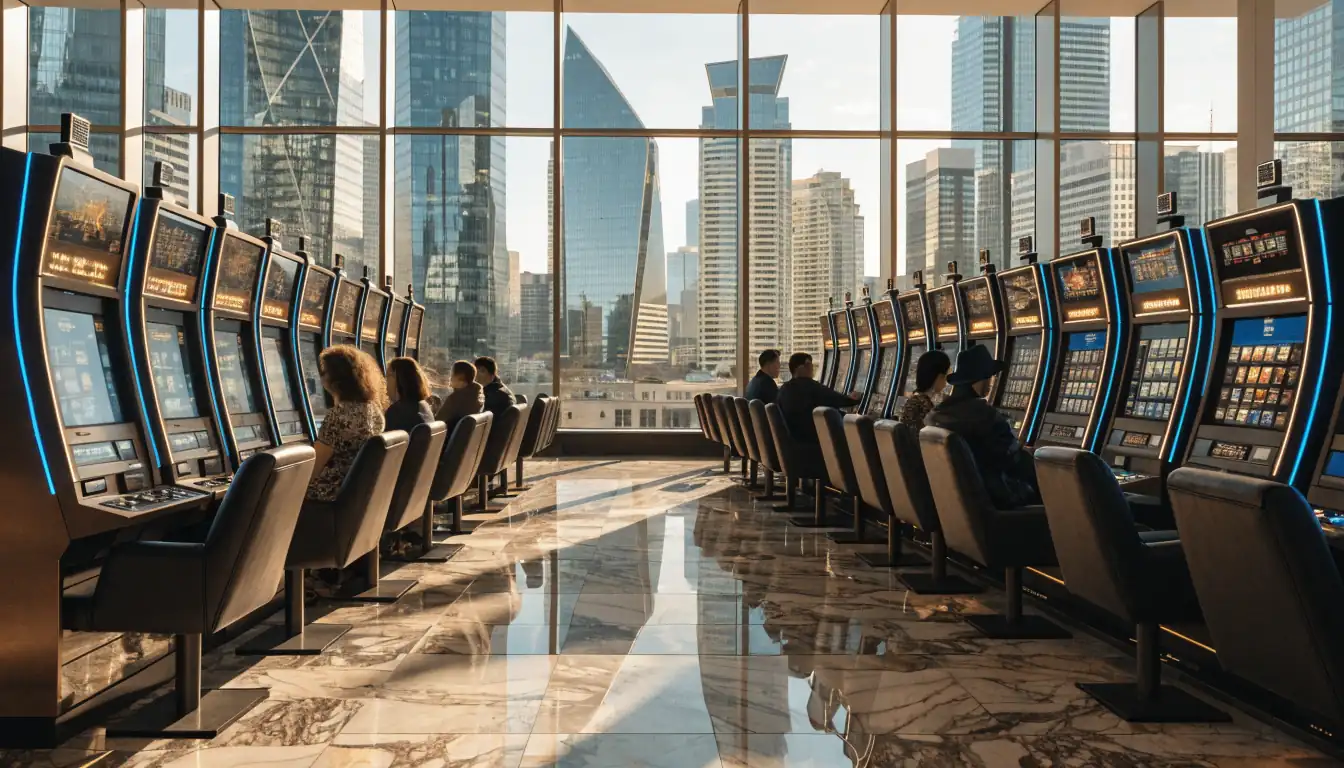
Before you settle on where to spin the reels, it helps to see how a handful of well-known operators stack up so you can pick a platform that suits your style rather than guessing.
Thor Casino is a recognisable name in the online pokies space, offering a casino experience worth considering if you’re exploring your options.
Betvictor is an established betting and gaming brand that brings a broad, well-known presence to the table for players weighing up their choices.
Tabcorp is a familiar and long-standing name in Australian gambling, making it a reference point many local players already recognise.
Vegaz Casino offers an online casino experience that may appeal if you’re looking for another option to add to your shortlist.
Jeetcity Casino is an online gaming platform that stands as one of the alternatives worth a look for players comparing venues.
JustCasino presents a straightforward online casino option for those wanting to explore what’s available beyond the bigger names.
WinSpirit Casino rounds out the field as another online casino choice for players weighing up where to play.
Betfair is a well-recognised betting brand, giving it a level of familiarity that some players value when choosing where to play.
CasinoStars offers an online casino environment that adds to the range of options available to consider.
Lucky Dreams is an online casino that provides yet another avenue for players looking to compare different gaming venues.
Choosing the Best Brick‑And‑Mortar Pokies in Brisbane
I’ve spent more nights than I’d like to admit walking Brisbane looking for a good gaming machine, and I can tell you the search rarely ends where you think it will. You go in expecting a straightforward night out, and instead you’re standing in front of forty identical-looking cabinets trying to work out which one is worth your money. That’s the part nobody warns you about: choosing well takes more thought than most people put into it, and most people put in none.
Let’s get one thing straight before anything else. What everyone calls "pokies" are, in the regulator’s paperwork, gaming machines. That’s the term you’ll see on venue licences, in Queensland government documents, and in any serious conversation about how this industry actually works. I’ll use both, because that’s how people actually talk, but if you ever want to look something up officially, "gaming machines" is the phrase that gets you real results instead of gambling blogs.
Why Brisbane Isn’t One Market — It’s Several
Here’s something that took me an embarrassingly long time to figure out: Brisbane doesn’t have "a" pokies scene. It has several, and they don’t behave the same way. The city sprawls, and the venues sprawl with it, so treating "brisbane pokies" as one uniform thing is where a lot of people go wrong before they’ve even sat down at a machine.
Casinos with polished atmosphere, wide variety of new titles, higher return rate (90%), larger stakes range.
Local pubs and clubs, older but sometimes current machines, focus on value for regulars, return rate 85%, quieter routine atmosphere.
South Brisbane and the Southbank precinct sit in their own bubble. This is where the big licensed casino floor lives, tourists wander through after dinner, and the whole vibe is polished — carpeted, air-conditioned, staff in uniforms who know the machines by heart. If you’re after the widest spread of themes and the newest cabinets, this is generally where they land first. Suppliers roll out new titles to the flagship floors before anyone bothers shipping them out to a suburban club.
Northside Brisbane is a different animal entirely. Fewer tourists, more locals, and the venues tend to be pubs and clubs rather than a casino floor. The machines skew older in places, though not always — some clubs reinvest heavily and you’ll find cabinets that are just as current as anything South Bank has. The atmosphere is the real difference: less performance, more routine. People here aren’t visiting, they’re just having their Tuesday night the way they always do.
I mention this split because it actually changes what "best" means depending on where you are. Best in South Bank might mean best variety and newest tech. Best on the Northside might mean best value for a local who’s going to be back next week and wants a venue that treats regulars decently. Neither is wrong. They’re just different questions wearing the same word.
Casino Floor vs Pub vs Club: The Real Differences
This is the bit I wish someone had explained to me properly the first time, instead of me working it out the slow way over a couple of years of wasted evenings.
Return Rate Difference
Machines on casino floors must return at least 90% to players, while pubs and clubs only need 85%, meaning you’re likely to get a lower payout in non‑casino venues.
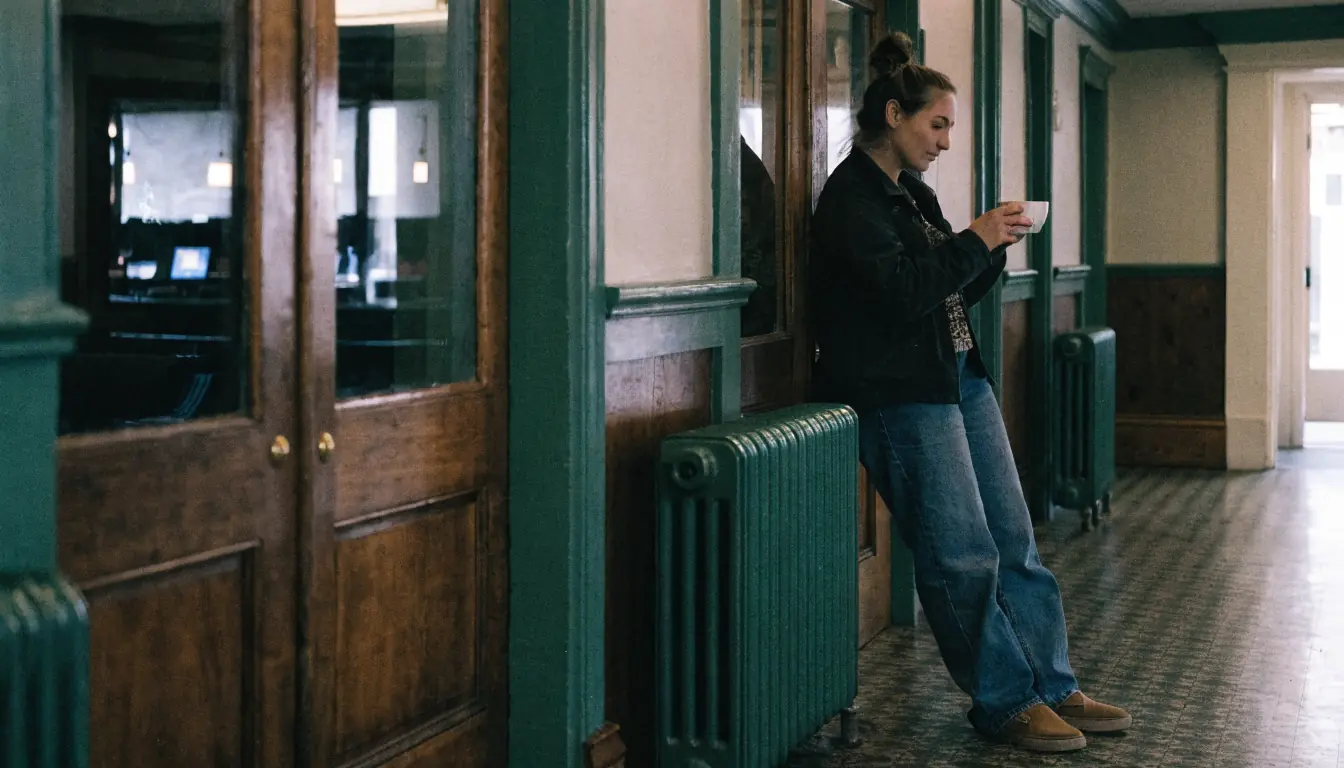
Casino floors operate under a different regulatory bar than pubs and clubs. In Queensland, machines on a casino floor need to return at least 90% to players, which is a higher floor than what’s required elsewhere. That doesn’t mean every casino machine beats every pub machine — it means the casino’s minimum is set higher, so the worst machine you’ll find there is still better than the worst machine you could theoretically find elsewhere. Casino floors also tend to have a much broader spread of stakes, from the low-denomination machines near the entrance to the high-limit rooms further in, and the range of themes is usually bigger simply because there’s more floor space and more machines to fill it.
Pubs are a completely different proposition. In Queensland, pub and club machines only need to hit 85% minimum return, a full five points below the casino floor requirement. That gap matters over time, though it’s not something you’ll notice on any single session — nobody walks out after twenty minutes able to tell you whether a machine is returning 85% or 90%. It’s a long-run number, not a felt one. What you will notice in a pub is the atmosphere: smaller rooms, a handful of machines rather than hundreds, and staff who are running the bar as well as the gaming area, so don’t expect the same level of attention a casino host gives you.
Clubs sit somewhere in the middle in terms of feel but fall under the same 85% minimum as pubs under Queensland rules. The difference here is usually about membership culture — many clubs have a loyalty structure built around returning members, and the room itself often feels more like a lounge than a gaming floor. If you’re the kind of person who wants to be recognised when you walk in, a club is going to serve that better than a casino ever will, purely because the casino floor is built for volume, not familiarity.
None of this is Brisbane-specific in how the categories work — it’s simply how Queensland’s gambling framework treats different venue types. But it matters for anyone choosing where to spend an evening, because the venue type tells you more about what to expect than any amount of scrolling through venue photos online.
Game Variety: What You’re Actually Choosing Between
I used to think variety meant "how many machines are in the room." It doesn’t. A room with two hundred machines that are all the same five titles in different colour schemes has less real variety than a smaller room stocked deliberately.
What you actually want to look at:
- Theme spread — are there mechanically different games, or just reskins of the same base game with a different cartoon slapped on the reels? You can usually tell within a couple of spins whether a “new” machine is actually new or just repainted.
- Stake range — a venue that only offers one denomination isn’t giving you a choice, it’s giving you a price. Look for rooms where you can genuinely scale your session up or down depending on how the night is going.
- Cabinet age and condition — this sounds trivial until you’re the one dealing with a sticky button or a screen that’s dimmed out from years of glare. Physical wear is a decent proxy for how much a venue reinvests in its floor.
- Bonus feature variety — not the marketing language on the machine’s top box, but whether the actual bonus rounds differ meaningfully from one cabinet to the next.
- Look at who’s already there.
- Check the signage, not just marketing.
- Notice the maintenance of machines and seating.
- Ask about the loyalty program if it exists.
- Watch how staff talk about limits and breaks.
- Assume the venue will be open late without confirming hours.
- Trust only the promotional material without verification.
- Ignore staff demeanor or lack of transparency.
- Assume all machines have the same payout rate.
- Overlook the impact of cashless systems on your spending.
I’ve walked into venues that advertised themselves as having "hundreds of games" and found, once I actually looked, that it was maybe a dozen genuinely different products duplicated across the floor. It’s not dishonest exactly — the machine count is real — but it’s not the same as variety, and conflating the two is how you end up disappointed by a room that looked great from the doorway.
The 24-Hour Question
A lot of people searching for somewhere to play late aren’t actually asking "which venue is best" — they’re asking "which venue is even open." Fair question, and worth separating from the quality discussion entirely.
Brisbane’s gaming floor at the main casino resort operates on hours that suit people who don’t work nine-to-five, and that’s really the honest answer to the "24 hour pokies" question: the casino floor is generally your most reliable option if you’re looking for a room that doesn’t close on you at a normal hour. Pubs and clubs run on liquor licensing hours that vary venue to venue, and Queensland’s rules around gaming room operation are tied into that licensing framework rather than existing as some separate blanket permission for round-the-clock play. So if you’re planning a late one, don’t assume every venue you liked at 8pm will still have the lights on at 3am. Ring ahead, or better yet, just accept that the casino floor is the dependable option here and plan around that instead of hoping a suburban club happens to be open.
I learned this the annoying way — turned up somewhere after midnight once, keen to keep a session going, and found the doors locked and the sign switched off. Wasted a cab fare and a decent chunk of enthusiasm on that one. Now I just default to the casino precinct if I know I’m playing past a reasonable hour, because the uncertainty isn’t worth the detour.
Cashless Play and What It Actually Changes
Brisbane venues have been steadily moving toward cashless systems, and it’s worth understanding what that shift actually does to your experience rather than just nodding along because it sounds modern.
Cashless play, in practice, means you’re loading funds onto a card or account rather than feeding notes into the machine directly. For some players this is a genuine convenience — no scrambling for change, no queueing at the cashier window when you want to top up. For others, it removes a bit of the natural friction that used to make people stop and think before putting more money in. Cash running out was, for a lot of players including me at various points, an accidental circuit breaker. Cashless systems don’t have that built-in pause unless you build it yourself.
I’m not going to pretend cashless is bad or good across the board — it’s a tool, and like most gambling-adjacent tools, it does whatever the person using it lets it do. What I will say is that if you’re moving to a cashless venue, it’s worth deciding your limit before you sit down, because the machine and the system aren’t going to remind you. Write it on your phone, tell a mate, whatever works — just don’t rely on running out of physical cash as your stopping point anymore, because in a cashless room, that stopping point doesn’t exist the same way.
Reading a Venue Before You Sit Down
There’s a set of things I check now, almost automatically, before I commit to a session anywhere in Brisbane. None of it is complicated, but it took a lot of bad nights to build the habit.
Look at who’s already there. A room full of regulars who seem to know the staff and the machines is usually a decent sign — people don’t keep coming back to venues that treat them badly or run machines that never pay out anything. A room that’s dead quiet at a time it should be busy is worth a second thought.
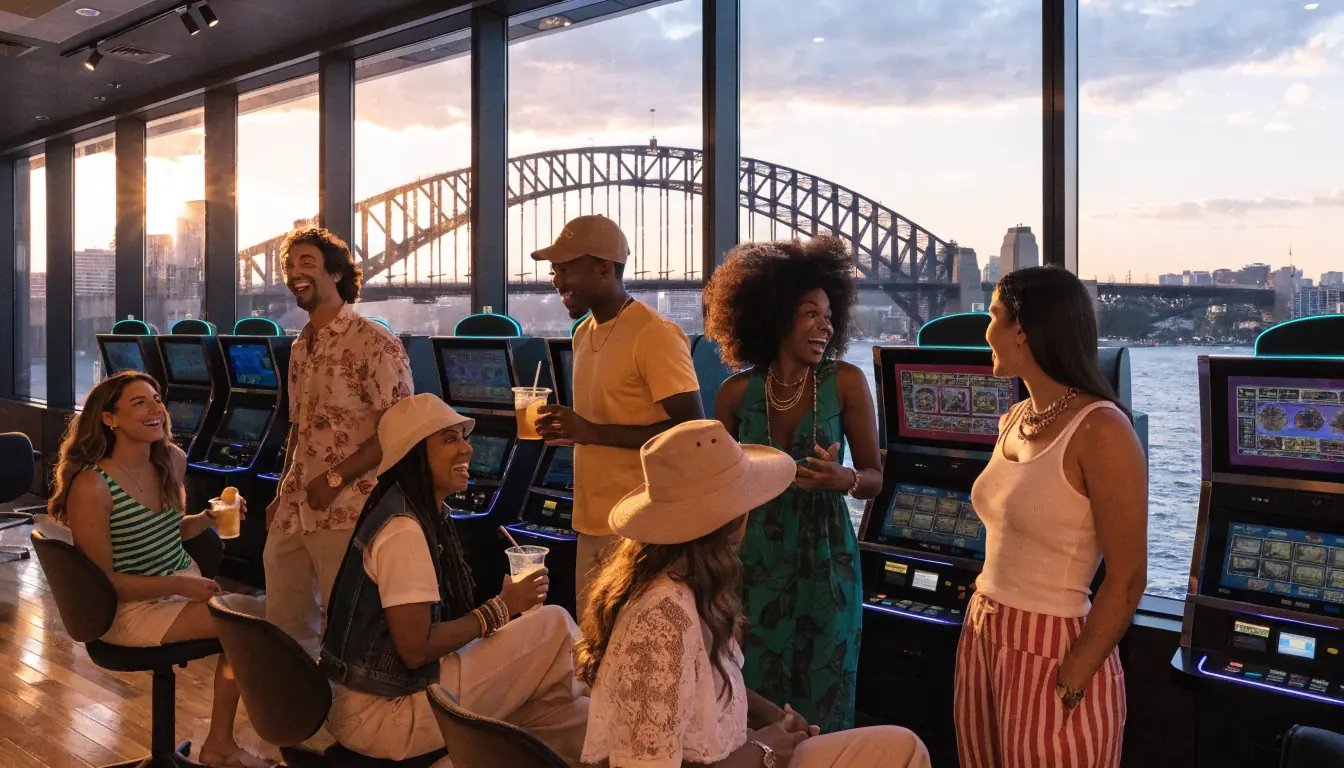
Check the signage, not the marketing. Venues are required to display information about their gaming operations, and while the specific numbers on display won’t tell you everything, a venue that’s transparent about the basics tends to run a tighter operation generally. If a place is vague or evasive when you ask a simple question about how their gaming room works, that tells you something too.
Notice the maintenance. Sticky buttons, flickering screens, torn seating — these aren’t just cosmetic annoyances. They’re a signal about how much attention the operator pays to the floor overall, and operators who let physical upkeep slide aren’t usually the ones sweating the details elsewhere either.
Ask about the loyalty program, if there is one. Not because the rewards themselves are usually life-changing, but because venues that bother running a proper loyalty scheme tend to think about player retention in a healthier way — through service and atmosphere, not just through machine placement.
Before you sit down
- Check venue type matches your mood.
- Verify operating hours if playing late.
- Assess machine variety and stake range.
- Decide on a spending limit before you start.
- Observe staff and regulars for atmosphere.
Watch how staff talk about limits and breaks. A good venue’s staff will mention timeouts or self-exclusion options without you having to ask, or at least won’t act cagey if you bring it up. A venue where staff bristle at the question is telling you something about their priorities.
The Regulatory Backdrop You’re Actually Playing Inside
I’ll be straightforward about this: Australia does not have one single law or one single regulator covering gambling. It’s split — states and territories handle most of the day-to-day rules, and the federal government handles a separate layer on top, mostly focused on online and interactive gambling rather than the physical machines sitting in front of you in a Brisbane pub. That split is exactly why comparing "pokies rules" between states is such a common source of confusion. Queensland’s rules aren’t Victoria’s rules, and Victoria’s rules aren’t New South Wales’ rules. Each jurisdiction built its own framework, largely independently, and they still run that way.
Queensland’s framework sets that 85% minimum return for pubs and clubs and 90% for the casino floor, which I mentioned above, but the regulatory reach goes further than just the return rate. It covers where machines can physically be located — gaming machines in Australia generally live in casinos, pubs, and clubs depending on the state, and Queensland allows all three categories, which is actually part of why Brisbane has such a spread of venue types to begin with. Some states restrict things much more tightly than that (Western Australia, for instance, keeps its machines confined to a single casino floor), but Queensland’s more permissive structure is exactly why you can find a gaming room in a suburban club, a inner-city pub, and a major casino resort all within the same metro area.
For scale, it’s worth knowing this isn’t a small industry anywhere in the country. New South Wales alone has close to ninety thousand machines spread across more than two thousand venues — and while that’s a different state with different rules, it gives you a sense of just how embedded this form of gambling is in everyday Australian venues, not some niche activity tucked away in a handful of casinos. Brisbane’s own venue count is smaller than Sydney’s by a wide margin, but the same basic structure — pubs, clubs, and a casino floor all licensed to run machines — is what you’re navigating here too.
What "Best" Should Actually Mean to You
I want to push back gently on the whole premise of hunting for "the best" venue, because I chased that idea for a while myself and it cost me more evenings than it saved. There isn’t a single best gaming room in Brisbane that suits every kind of player. There’s a best room for someone who wants a big night out with a wide range of themes and doesn’t mind the noise and crowd of a casino floor. There’s a different best room for someone who wants a quiet Tuesday session at a local club where the bartender knows their name. There’s yet another best room for someone whose only real requirement is that the doors are still open at 2am.

So instead of hunting for a definitive ranking, I’d rather you walk away from this with a checklist you can actually apply yourself, venue by venue, because that’s a far more useful tool than any list of names that’ll be outdated the moment a venue renovates or a new title gets rolled out to the floor:
Key Takeaways
- Brisbane’s pokies are split between casino floors, pubs, and clubs, each offering a different experience.
- Minimum return rates are 90% on casino floors and 85% elsewhere, affecting potential payouts.
- Cashless systems are convenient but can mask overspending, so set limits beforehand.
- Check operating hours and venue atmosphere to match your personal preferences.
- Online pokies are unregulated in Australia, offering no consumer protection despite being legal for players.
- Match the venue type to your actual mood. Casino floor for variety and buzz. Pub for a low-key, no-frills session. Club for familiarity and a slower pace.
- Check operating hours before you go, especially late at night. Don’t assume; ring or check listed hours, and default to the casino precinct if reliability matters more than atmosphere.
- Look past the machine count to the actual variety on offer. A big room isn’t automatically a varied one.
- Notice whether the venue is cashless or cash-based, and plan your limit accordingly — cashless removes a natural stopping point that cash sessions used to provide by default.
- Read the room itself — maintenance, staff attitude, whether regulars seem to actually like being there — because that tells you more about ongoing quality than any single visit’s win or loss will.
- Remember which state’s rules you’re under. Queensland’s structure (85% pubs and clubs, 90% casino) is not universal across the country, and assuming another state’s setup applies here is a mistake I made more than once before I bothered checking properly.
None of this guarantees a good night. Nothing does, and anyone telling you otherwise is selling something. What it does is stop you walking into a room blind, hoping the flashing lights and the crowd noise are a substitute for actually knowing what you’re looking at. That distinction — between hoping and knowing — is basically the entire difference between the nights I regret and the ones I don’t.
Worth it, eventually. Took a while to learn.
Pokie Payout Percentages in Brisbane: What the Numbers Mean
Here’s the number that actually matters when you’re feeding a machine: the minimum return rate. In Queensland, gaming machines in pubs and clubs have to return at least 85%. Walk into a casino floor here, though, and the floor lifts to 90%. That’s not a marketing line — it’s the regulatory minimum, and it’s worth remembering next time someone tells you casino machines are "rigged tighter" than pub ones. Usually it’s the other way round.
Compare that to Victoria, where the minimum sits at 85% across the board, no casino bump, plus a rule capping note acceptors at $50 — you can’t feed a machine anything bigger.
So if you’re chasing the better baseline return, a Brisbane casino floor beats a Brisbane pub by regulation alone. Same state, different rules depending on where you’re standing.
Online Pokies You Can Play from Brisbane in 2026
Here’s the thing nobody at the venue counter tells you: the moment you close your laptop after a session at a physical club and open your phone to keep playing from your couch, you’ve stepped into a completely different legal world. Same city, same you, different rules entirely.
Let’s get the law straight first, because I got this wrong for years and assumed "illegal" meant "illegal for me." It doesn’t. The Interactive Gambling Act makes it an offence for an operator to provide online casino games to Australian residents. That’s a law aimed at the business on the other end, not at the person clicking play in Brisbane. Penalties for breaching it run up to AU$360,000 per day for individuals and AU$1.8 million per day for corporations — numbers big enough that no operator with an ASX listing or a local office would touch it. Australian residents who deposit at offshore casinos, on the other hand, face no criminal exposure. You’re not the target. You’re just not protected either, which is a very different thing.
That gap is exactly why offshore platforms exist and why they keep operating regardless of what the law says about them. The online gaming industry is worth billions of dollars and keeps growing at a pace that outruns whatever gets written into legislation. Every year a batch of new sites shows up, some run clean for a while, some don’t, and there’s no local regulator standing behind any of them checking the books.
Where the "safe" part gets complicated
I put "safe" in quotes because that’s exactly what the marketing wants you to read past. An offshore casino advertising itself as trusted or licensed isn’t lying outright — it usually does hold a licence somewhere, just not from anyone with jurisdiction over what happens to your money once it’s sitting on their servers. There’s no Queensland regulator you can call if a withdrawal stalls. No return-rate floor like the ones that apply to a machine on a club floor. You’re relying entirely on the operator’s own reputation, and reputations on these sites turn over fast.
ACMA has blocked more than 1,564 illegal gambling sites since November 2019 through what’s called a section 313 referral — basically ordering internet providers to cut access. I’ve had a bookmarked site vanish behind a block notice more than once. It’s not subtle and it’s not rare. The sites that survive tend to be the ones that keep moving domains, which tells you something about how stable they actually are.
What this means for how you play
None of the venue-floor numbers apply here — no minimum return figure, no cash-load ceiling tied to a session, none of the caps a physical machine has to meet under state rules. That’s not a bonus, it’s an absence. You’re trading a regulated floor for an unregulated one and calling it convenience.
If you’ve used a self-exclusion tool at a venue or through a state register, know that it stops at the border of licensed Australian operators. It has no reach into offshore sites, which is worth sitting with before you assume stepping away from the pokie floor means you’ve stepped away from the habit.
None of this is a verdict on whether you should play online. It’s just the map most people never get handed before they start.