
Best Casino in Sydney: Hotels, Gaming Floor and Dining Guide
With so many online casinos targeting Australian players in 2026, it helps to see how a curated list of operators stacks up before you decide where to play.
Thor Casino is a themed online casino that features in this list as one of the options worth knowing about if you’re exploring the Australian market.
Betvictor is a well-known name in the betting and gaming space, included here as a recognisable option for players weighing up their choices.
Tabcorp is an established Australian brand with a long history in wagering and gaming, making it a familiar presence on this list.
Vegaz Casino appears here as an online casino option, offering a general gaming experience for those browsing the market.
Jeetcity Casino is featured as one of the online casino brands worth considering as part of a broader look at what’s available.
JustCasino is included as a straightforward online casino option for players comparing what’s on offer.
WinSpirit Casino rounds out the list as another online casino brand available to Australian players exploring their options.
Betfair is a globally recognised betting operator, and its inclusion reflects its standing as an established name in the industry.
CasinoStars is listed as an online casino option, giving players another brand to look into when comparing the market.
Lucky Dreams is an online casino featured here as one of the options available to players reviewing the Australian scene.
Table of Contents
- Hotel Options Near Sydney’s Casino District
- Accommodation Alternatives Around Sydney Casinos
- Parking and Access Tips for Casino Visitors
- Casino Gaming Areas and Poker Rooms
- Buffet and Dining Choices at Sydney Casinos
- Restaurants and Bars Inside the Casino
- Food Courts and Pool Areas – What to Expect
- Spa and Wellness Facilities at Casino Resorts
- Contact Details and Customer Services
- Opening Hours and Upcoming Events
Hotel Options Near Sydney’s Casino District
I’ll be upfront about something: when people search for the best casino in Sydney in 2026, most of them are actually asking a hotel question without realising it. Where do you sleep after a long night on the floor. That’s the real question.
Sydney’s casino sits inside Crown Sydney at Barangaroo, and the attached hotel is where the room quality conversation actually starts. This isn’t a casino with a hotel bolted on as an afterthought — the whole tower was built around the idea that high rollers and regular travellers alike want to walk from the lift to the gaming floor in under two minutes. That matters more than people expect until they’ve tried the alternative, which is a twenty-minute train ride back from somewhere in Darling Harbour at 3am.
What "attached" actually gets you
Rooms in the casino-integrated tower differ from a standard CBD hotel room in a few concrete ways I’ve noticed staying in both over the years:
- Direct floor access. No shuttle, no rideshare, no walking past a dozen closed shopfronts. You take a lift down and you’re on the gaming floor.
- Room service tuned to casino hours. Standard city hotels shut their kitchens down early. A property built around a casino keeps food moving because the guests keep moving.
- Views that sell themselves. Harbour-facing rooms in the tower are genuinely a different product to a mid-range CBD room, and the hotel prices them accordingly.
- Security presence that’s visible. ID checks aren’t just at the gaming floor entrance — expect them referenced at check-in too, since the property operates as a single licensed premises. Every Australian casino requires a valid photo ID for entry, and the minimum age is 18, no exceptions, no “she’ll be right.”
None of that is marketing language — it’s just how a building works when the ground floor is a licensed gaming space and the top floors are hotel rooms.
Room quality: what’s genuinely different
I stayed in a standard room at the tower once purely to compare it against a similarly priced room ten minutes away in the city. The casino-hotel room had a heavier soundproofing job — makes sense, given what’s happening in the building below — and the minibar and in-room dining menu were both noticeably more "someone’s still awake at 2am" than the CBD alternative, which read like it was designed for a 7am checkout crowd.
That said, I wouldn’t call the room itself dramatically better on pure hardware — bed, bathroom, fittings. What you’re actually paying the premium for is proximity and hours, not thread count.
The scale behind the experience
It helps to understand what you’re actually walking down to. The Crown Entertainment Complex, taken as a whole, runs 221,656 sq ft of gaming space, with 2,500 gaming machines and 500 table and poker games on offer. That’s a genuinely large footprint — for comparison, Perth’s Burswood International Resort Hotel & Casino runs 111,471 sq ft with 3,779 gaming machines and 201 table and poker games. Different mix, different city, but it gives you a sense of scale when you’re deciding whether to book the attached tower or something further out. A property this size isn’t a boutique add-on to a hotel — the hotel is the add-on.
A word on the brand behind the room
Booking into a Crown property, it’s worth knowing the company’s regulatory history rather than pretending it doesn’t exist. Crown Resorts paid AU$450 million in penalties to AUSTRAC. That’s not a footnote you’ll find on the hotel booking page, and it doesn’t mean the rooms aren’t good — it means the compliance side of the business has been under real scrutiny, and that’s exactly the kind of thing worth knowing before you hand over a card at check-in.
Who the attached hotel actually suits
If you’re planning a night where the casino is the point — not a side trip, not something you’ll "maybe check out" — paying for the attached tower makes sense. You save the travel time, you get room service on gaming hours, and you’re never more than a lift ride from cashing out and going to bed.
If the casino is one stop on a broader Sydney trip, staying attached starts to feel like paying harbour-view prices for a location you’ll use once. That’s a genuinely different calculation, and it’s the one the next section deals with.
Accommodation Alternatives Around Sydney Casinos
Not everyone wants to stay inside the building where they’re gambling. I get it — there’s something a bit off about waking up, taking a lift down, and being back on the gaming floor before you’ve had coffee. After a rough night at the tables a few years back, I started deliberately booking a few blocks away, just to force some distance between me and the pokies.
The area around Sydney’s casino complex has plenty of options that aren’t run by the operator itself. Serviced apartments are the obvious middle ground — you get a kitchen, more space than a standard hotel room, and usually a better deal per night if you’re staying more than a couple of days. They won’t have the direct lift access or the "stay and play" packages the on-site hotel pushes, but that’s kind of the point. No key card that also happens to double as your room and casino floor pass.
Direct lift to the gaming floor, 24‑hour room service and harbour‑view rooms – premium price.
Kitchen facilities, more space and better value for longer stays, but no direct casino access.
Cheaper rooms in nearby suburbs, requiring a short walk or ride and offering no casino‑specific perks.
Budget stays in the surrounding suburbs are the other real alternative. You trade the walk-to-the-door convenience for a lower nightly rate, and honestly, a taxi or a short walk isn’t a huge sacrifice. What you lose is the "wake up and you’re already there" convenience that the casino resort sells hard in its marketing. What you gain is a bit of separation — physically and mentally — from the gaming space itself.
What you’re actually comparing
The casino’s own hotel rooms are built around proximity to the gaming space — in Sydney’s case, that’s a complex with 221,656 sq ft of gaming space, 2,500 gaming machines and 500 table and poker games, which gives you a sense of scale most standalone hotels simply aren’t built to sit next to. Nearby independent hotels don’t try to compete with that; they compete on price, on quiet, and sometimes on view.
A few things worth weighing before you book anywhere:
- Distance from the gaming floor. On-site means minutes. Off-site means a walk or a short ride — sometimes exactly what you want after a losing session.
- Price flexibility. Independent hotels and serviced apartments tend to have more variation in rates than the casino’s own rooms, which are often bundled with gaming promotions.
- Kitchen access. Serviced apartments win here. Useful if you’re staying more than a night or two and don’t want every meal tied to the casino’s dining options.
- Loyalty perks. Only the on-site hotel connects to whatever rewards program the casino runs. Book elsewhere and you’re outside that loop entirely.
I’ve done both — stayed in the tower attached to the casino, and stayed ten minutes away in a serviced apartment near Darling Harbour. The apartment worked better for a longer trip where I wanted to actually cook a meal without walking past a gaming machine to get there. The attached hotel made more sense for a single big night out, where not having to think about transport afterward was worth the premium.
Neither is objectively better. It depends on whether you want the casino to be the centre of your stay or just one stop on it. If you’ve ever found yourself wandering back down to the floor "just to look" because your room is two lifts away — that’s the tell you’re better off booking somewhere with a bit more distance built in.
Parking and Access Tips for Casino Visitors
First time I drove into the city for a night out at the casino, I circled the block twice looking for street parking like an idiot. Don’t do that. Sydney’s casino precinct isn’t built for street parking, and if you find a spot, you’ll pay more than the on-site option anyway.
Getting there without a car
Light rail is the easiest way in from most parts of the city. It drops you close enough that you’re not walking through a car park to get to the entrance, which matters more than it sounds like when it’s raining. Buses run through the area too, and if you’re coming from the airport or the eastern suburbs, a taxi or rideshare straight to the entrance is honestly not a bad call — you skip the whole parking question entirely.
If you’re staying at one of the hotels attached to the complex (covered in the accommodation sections), you don’t need to think about any of this. You walk down. That’s the whole trip.
On-site parking
There’s a multi-level car park built into the complex itself. It’s not free — I’ve heard people say "free parking" like it’s a known thing, and it isn’t, not as a blanket rule. Some venues run validation deals tied to spending on the gaming floor or dining, but that’s not guaranteed and it changes, so don’t plan your night around it without checking on arrival. Ask at the entrance or the cashier desk before you assume anything’s been waived.
Valet is available if you’d rather hand the keys over and not deal with ramps and low ceilings. It costs more than self-park, obviously, but if you’re going straight from the car to a table or a show and back, it saves the walk and the search for your level later when you’ve had a few drinks and can’t remember if you parked on 3 or 4. I’ve done that walk. It’s not fun.
Road access
Peak times — Friday and Saturday nights especially — the roads around the precinct get congested. If you’re driving yourself, give yourself more time than you think you need, particularly if there’s an event on (more on scheduling in the events section further down). The car park fills up on big nights too, so arriving early isn’t just about avoiding traffic, it’s about getting a spot at all.
Drop-off zones exist right at the main entrance if someone else is driving and just dumping you off. Useful if you’re heading in solo and don’t want to deal with parking logistics at all.
A few practical notes
- Bring your photo ID regardless of how you’re arriving — you’ll need it at the door either way, and it’s checked before you get anywhere near a machine or table, since the minimum entry age across Australian casinos is 18.
- If you’re driving, know your route out before you’ve had anything to drink. Obvious, but easy to forget once you’re inside and losing track of time.
- Public transport at night runs less frequently than during the day, so if you’re relying on it to get home, check the last services before you settle in for the evening.
None of this is complicated once you’ve done it a couple of times. The first visit is the one where you waste twenty minutes and a bit of pride figuring it out. After that it’s routine.
Casino Gaming Areas and Poker Rooms
First time I walked onto the gaming floor, I had this mental image from movies — dim lighting, guys in suits, everyone whispering. Reality is louder, brighter, and a lot more spread out than I expected. Sydney’s main gaming floor is basically its own suburb. You can walk for ten minutes and still find a section you haven’t seen.
Bring photo ID. Every time. I got turned away once because I only had a bank card and a story about leaving my licence in the car — didn’t matter, no ID means no entry, full stop. That’s not a house rule you can talk your way around, it’s how casinos operate across the country, and the person on the door has heard every excuse already. Under-18s don’t get in either, no exceptions, no "just to watch."
Layout — what’s actually where
The floor isn’t one big room, it’s zones. Gaming machines dominate the space by sheer numbers — rows and rows of them, grouped loosely by game type rather than theme, so you’ll find yourself walking past the same three or four styles before hitting something different. Table games sit in their own clusters, usually with a bit more breathing room around them and staff who look like they’ve been doing this a long time.
pokies
“Pokies” is Australian slang for slot machines – electronic gambling devices that spin reels and award payouts based on matching symbols.
Poker gets its own corner, and it’s noticeably calmer than the rest of the floor. Less flashing lights, more focus. If you’ve never sat at a live table before, this is the section where people will actually explain the etiquette to you instead of just judging you for misreading the action — I learned the hard way that acting out of turn gets you a look, not a lecture, but the look is enough.
Poker room specifics
The poker room runs its own rhythm separate from the machines outside. Cash games tend to run most of the day into the evening, with tables filling and breaking depending on how many people show up — nothing fixed about it, just supply and demand on a given night. Tournament schedules shift regularly, so what’s running on a Tuesday isn’t what’s running on a Saturday. If you’re planning around a specific event, check with the casino directly before you turn up expecting a seat, because walking in cold on a big tournament night can mean a long wait or no room at the tables at all.
Staff in the poker room tend to be more approachable than you’d guess. I asked a dealer once why a hand played out the way it did and got a proper explanation instead of a brush-off. Small thing, but it changes how the whole room feels compared to the more transactional vibe near the machines.
A note on scale
Australia isn’t short on options if Sydney’s floor feels overwhelming — there are 200 listed casinos spread across 146 cities nationally, though the market itself is really shaped by three major operators who control most of the significant venues. Sydney’s casino sits within a system regulated at the state level, which is worth knowing if you’re used to a different jurisdiction’s rules — the layout conventions, ID requirements, and age limits aren’t universal internationally, they’re set locally.
Sports bar area
There’s a sports betting section within the complex, screens running most major events, seating that’s clearly built for watching rather than gambling specifically. It sits close enough to the gaming floor that you can duck between the two, but it functions more like its own space — people camp there for a match without necessarily touching a machine or table all night. Worth knowing if you’re coming with someone who wants to watch sport while you play, rather than assuming everyone’s parked at the same tables.
Buffet and Dining Choices at Sydney Casinos
First time I went looking for a proper breakfast buffet on the casino floor, I got the whole thing wrong. I’d assumed it would work like a hotel breakfast — sit down, someone brings a menu, you order eggs. It doesn’t. The buffet setup at a casino resort is its own thing, closer to a food hall with a fixed layout than a restaurant with service.
What you actually get is a serving area split into stations — hot food, cold food, a carvery section if it’s a bigger property, sometimes a dessert counter running the whole length of the room. You grab a plate, walk the stations, sit wherever there’s a free table. No waiter taking your order, no bill split at the end. You pay once, usually on the way in.
That’s the part people mix up when they search for "casino breakfast" expecting something like a café menu. The buffet isn’t à la carte. You’re not picking one dish cooked to order — you’re building a plate from whatever’s out. Bacon, eggs, pastries, fruit, the usual spread, refreshed through the morning rather than fired fresh per table. Fine for what it is. Just don’t expect the kitchen to make you anything off-menu because there isn’t a menu.
Breakfast vs the rest of the day
Morning service tends to be the busiest stretch, especially on weekends when the gaming floor itself is quieter and people are eating before they head out or before they sit down at the tables later. The stations shift through the day — breakfast items get cleared, lunch and dinner spreads go up, and by evening you’re looking at something closer to a full buffet dinner with more variety and usually a longer line.
I’ve timed it wrong more than once — turned up right at the changeover between breakfast and lunch and got neither properly. If you care about hitting the buffet at its best, going early in each service window matters more than the day of the week.
Where the buffet stops being the answer
The buffet covers volume and variety at a fixed price point. It doesn’t cover a quiet sit-down meal, a proper wine list, or a chef doing something specific with a dish. That’s the à la carte side — the sit-down restaurants inside the same complex, which run on their own booking system and their own menus, separate from the floor-level buffet entirely. If you’re after that kind of night out, that’s covered on its own further down.
Where the buffet does its job well is exactly where you’d expect: big groups, kids in tow, or you just want to eat without committing to a two-hour dinner. It’s built for turnover, not lingering.
A note on staff and service
Buffet sections run on a different staffing model to the restaurants too — more floor staff clearing and restocking, fewer taking orders. Worth mentioning only because if you’ve ever looked into working at one of these resorts, food service roles on the buffet side are usually a separate listing to kitchen or restaurant positions, with different hours tied to service windows rather than a single dinner shift. Anyone checking job boards for casino resort openings will notice the buffet and dining postings sit apart from gaming floor roles for that reason — different departments entirely, even though it’s all under the one roof.
None of this is complicated once you’ve done it once. First visit, though, go in knowing it’s self-serve, priced flat, and running on its own clock — not a restaurant with extra steps.
Restaurants and Bars Inside the Casino
Buffets get you fed. Sit-down places at a Sydney casino are a different game entirely, and I learned that the hard way after treating every visit like a quick pit stop for years. Once I actually booked a table instead of grazing at the spread, the whole night changed shape.
The à la carte scene inside these venues splits roughly into steakhouse-style rooms, Asian-focused kitchens, and a seafood option that leans on what’s fresh that day. None of this overlaps with the breakfast or buffet floor — different kitchens, different staff, usually a different part of the building entirely. If you’re chasing a proper meal rather than a plate you assembled yourself, this is where you go.
What you’ll actually find
- Steak and grill rooms — the kind of place you book for an occasion, not a quick bite. Table service, a proper wine list, the works.
- Asian dining — usually the strongest kitchen in the building, in my experience. Worth asking what’s on the specials board rather than defaulting to the printed menu.
- Seafood-driven menus — smaller, often tucked away, and easy to miss if you’re not looking for it.
None of these rooms take walk-ins the way a food court stall does. I turned up once on a Saturday night assuming I’d just get seated — waited long enough to regret not calling ahead. Book if you can, especially anywhere near the gaming floor’s busier hours.
The bar side of things
Bars inside a casino complex aren’t an afterthought — they’re built to keep you close to the tables without actually being on them. Expect a mix:
- A cocktail bar near the main gaming space, usually the loudest and busiest.
- A quieter lounge bar, better for actually holding a conversation.
- Sports bars with screens running, which tend to double as the pre-dinner meeting point.
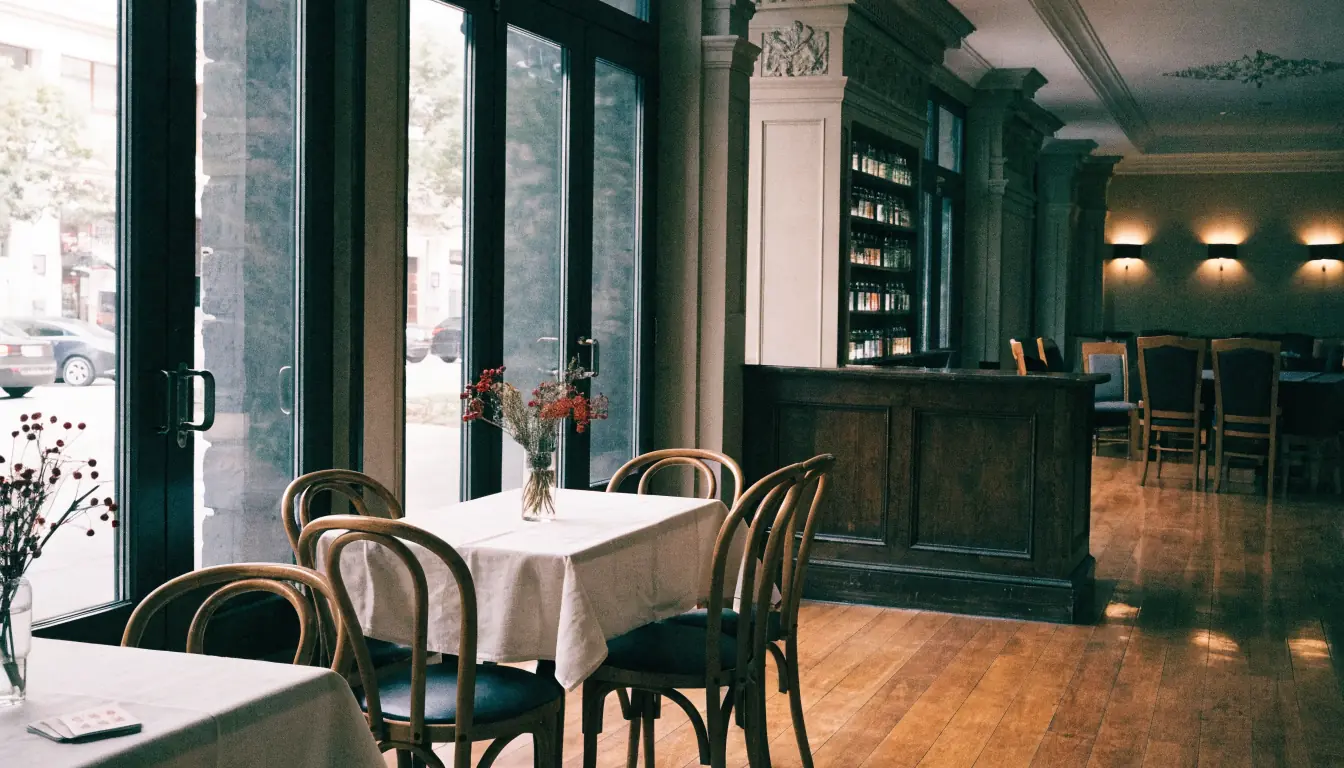
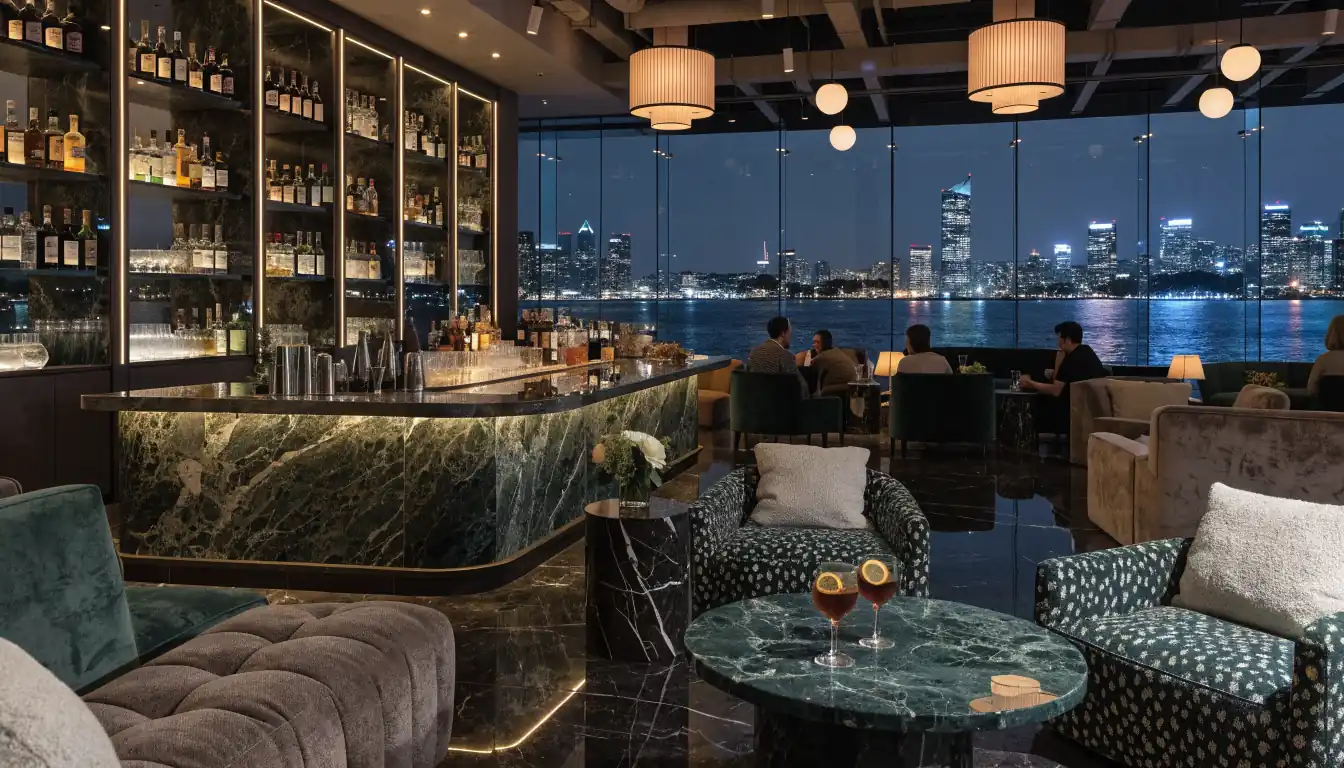
The rooftop bar is the one people ask about most, and fair enough — it’s the spot that photographs well and gets recommended by everyone who’s been once. It’s worth the trip up for the view alone, but don’t expect it to be some secret. Everyone finds it eventually.
One thing I’d flag: entry to any of these venues, bar included, still means the standard rules apply. You need to be 18 or over and carry valid photo ID, no exceptions, even if you’re just there for a drink and not touching a table game. Staff check this consistently — I’ve seen people turned away at a bar entrance, not just the gaming floor.
ID Required
All bar staff will check your photo ID before serving alcohol, and anyone under 18 is prohibited from entering.
If you’re planning a night around food rather than play, treat the restaurant bookings and the bar-hopping as two separate plans. Trying to do both without a rough schedule just means you end up standing in a queue instead of sitting down.
Food Courts and Pool Areas – What to Expect
Not every trip to a Sydney casino calls for a sit-down meal or a buffet plate. Sometimes you just want a quick bite between hands, and that’s where the food court sections come in. Think grab-and-go counters, coffee stands, and a handful of quick-serve outlets tucked near the gaming floor entrances — the kind of setup you’d want when you’re stepping away from a table for ten minutes, not an hour.
I’ve used these more than once just to grab a coffee before a session rather than commit to a proper breakfast. They’re not fancy, and they’re not trying to be. That’s the point.
What’s usually on offer
- Coffee and snack kiosks near entrances
- Quick-serve counters for burgers, sandwiches or Asian-style noodle bowls
- Casual seating away from the main dining areas
None of this replaces the restaurants or buffet counters covered elsewhere — it’s a different category entirely, built for speed.
Pool facilities
As for pools, don’t expect one attached to the gaming floor itself. Where pool access exists, it’s tied to the hotel accommodation on site rather than the casino operation, and availability depends on which property and room package you’ve booked. If a pool matters to your trip, check with the hotel directly rather than assuming the casino complex has one open to all visitors.
Bottom line: food courts here are about convenience, not atmosphere. Go in expecting exactly that.
Spa and Wellness Facilities at Casino Resorts
I’ll be honest, the first time I booked a spa treatment at a casino resort it was purely damage control. I’d been up too late at the tables, my back hurt from the chair, and I figured a massage was cheaper therapy than another session on the machines. It turned out to be the smartest money I spent that whole trip.
Casino resorts in Australia tend to treat wellness facilities as a separate business from the gaming floor, and it shows. The spas usually sit in their own wing, away from the noise and the lighting of the gaming space, with a completely different pace. No flashing lights, no chimes, just quiet corridors and staff who aren’t trying to sell you another round.
What’s typically on offer
Standard offerings across these resort spas include:
- Massage therapy, from relaxation-focused to deep tissue for the “I’ve been sitting at a poker table for six hours” crowd
- Facials and skin treatments
- Sauna and steam rooms, often included with treatment bookings or accessible with a day pass
- Private treatment suites for couples
- Basic salon services like manicures and hair styling
None of this is unique to Sydney’s casinos specifically — you’ll find similar setups at Burswood in Perth or Crown’s other properties — but the fact that it exists on-site, a short walk from your room, is the actual convenience. You don’t have to leave the resort to feel human again after a long session on the floor.
Dress code and access
There’s no gambling-style dress code inside the spa itself — you’re not walking in wearing what you wore to the tables. Robes and slippers are provided for most treatments, which is standard for any resort spa. Access is generally open to hotel guests and casino visitors alike, though popular time slots fill up, especially on weekends when the resort is busiest.
Why it’s worth booking ahead
If your trip includes a night or two of serious play, book your spa slot before you arrive rather than trying to walk in. Weekend mornings and post-midnight slots go first, mostly to people exactly like the version of me from a few years back — trying to undo the previous night before doing it all again.
One thing worth remembering: spa and wellness spending is separate from your gambling budget, but it’s easy to let the two blur together when you’re paying for everything through the same resort account. Keep them mentally separate. A massage is self-care. A "I’ll just put fifty more through the machine to feel better" is not the same thing, no matter how the receipt looks at the end of the night.
Contact Details and Customer Services
First time I wanted to check something before driving into the city — table availability, whether a floor was closed for a private event, that kind of thing — I did what everyone does and just typed the casino’s name into Google hoping a number would pop up. It did, eventually, buried under three review sites and a map listing that hadn’t been updated since whenever. Save yourself the scrolling.
The main switchboard is your best first move for anything general: opening confirmations, function bookings, lost property, general "is this thing still happening" questions. Front desk staff answer these calls all day and they’re used to people who have no idea what department they need. You don’t have to sound like you know the internal structure of the place. Just say what you want.
For anything gaming-specific — table minimums, poker room questions, whether a particular game is running that night — you’re better off asking for the gaming floor desk directly rather than the general line. General reception will transfer you anyway, so cutting the step out saves both of you time.
Quickest contact
For urgent queries, call the main switchboard; phone answers are immediate, whereas email responses may take longer.
Email is slower, obviously, but it’s the right channel for anything that needs a paper trail: a complaint, a request for documentation, a dispute over a charge. I’ve had faster luck with email replies on weekday mornings than weekends — no real proof behind that, just what I noticed over a few attempts.
What staff will actually ask you
Before you even get to whatever question you called about, expect a couple of standard checks if you’re asking about entry or bookings:
- Age. Casino entry across Australia sits at a minimum of 18. Nobody’s letting that slide for a phone enquiry either — if you’re asking about bringing someone younger along “just to watch,” the answer is no, and staff will say so plainly.
- ID. Every Australian casino requires a valid photo ID at the door, and reception staff will often remind you of this on a call too, especially if you’re asking about entry logistics for a group. Bring something current — an expired licence has turned people away at the door more than once, from what I’ve seen.
On-site help once you’re actually there
Once you’re inside, there’s usually a dedicated guest services or concierge desk separate from the gaming floor staff — that’s your point of contact for anything that isn’t strictly game-related: directions, general questions, help if something’s gone wrong with a booking made elsewhere. Gaming floor staff are focused on the tables and machines and will point you toward guest services rather than trying to sort it themselves, which is fair enough.
If you’re chasing something urgent — a lost card, a forgotten bag, a dispute that needs resolving before you leave — go in person rather than calling. It’s slower to organise a call-back than to just walk up to the desk, and you’ll get a straighter answer looking someone in the eye than through a hold queue.
One thing worth saying: none of this replaces checking directly with the venue before you go. Contact details shift, desks get renamed, opening arrangements change. A five-minute call the day before beats planning your whole trip around a number you found on a page that might be a year old.
Opening Hours and Upcoming Events
I used to assume a casino this size just runs around the clock, no exceptions, no closures. That’s mostly true, but not entirely, and the "mostly" is where people get caught out — turning up on a public holiday expecting a quiet floor and finding it either shut for a private function or absolutely rammed for a themed night.
Here’s the honest version: opening hours at Sydney’s casino venues aren’t fixed the way a pub’s are. They shift around holidays, they shift for scheduled maintenance on parts of the gaming floor, and they shift when the venue’s hosting something ticketed. If you’re planning a visit around a specific date, check directly with the venue before you drive over — not a forum post from two years ago, not a listicle, the venue itself.
What actually changes through the year
The pattern I’ve noticed after enough visits:
- Standard days run long hours with minimal disruption to the gaming floor.
- Public holidays sometimes mean adjusted hours — earlier closes or later openings than the norm.
- Special events (award nights, live entertainment, promotional pushes) can mean sections of the floor get roped off for setup, even if the rest stays open.
- Renovation or refurbishment work happens in phases, so one visit might show you a slightly different layout than the last.
None of this is really documented anywhere reliable ahead of time in a way you can bank on months out. Event calendars get updated close to the date, not published as some annual fixture list. That’s just how it works here — plan the trip, then confirm the details in the final week.
On the "reopening" question
If you’ve seen chatter online about a Sydney casino "reopening" — that usually traces back to ownership or operational shakeups rather than the doors literally being locked. Australia’s casino industry runs on state and territory licensing, and the market’s dominated by a small handful of major operators, so when one of them goes through a restructure or a change in management, it makes headlines that sound bigger than what’s happening on the ground floor. The gaming areas keep running. What changes is who’s signing the cheques upstairs.
Where this doesn’t extend to
Whatever hours or events a venue runs, none of it opens a door to online play. The Interactive Gambling Act 2001 is the federal law covering this, and it prohibits online casino-style games — roulette, blackjack, baccarat, virtual tables, most online pokies — from being offered to Australians. A physical venue’s opening hours have nothing to do with what’s legally available on your phone. Two separate worlds, two separate sets of rules.
My rule now: I check the day before, sometimes the morning of. Saved me one wasted trip already. Worth the two minutes.